The Luxury Home Features Worth the Investment and the Ones That Aren't
Luxury home features are worth the investment when they improve comfort, function, resale value, and the way you live every day. For homeowners comparing Atlanta custom home builders, the smartest upgrades are not always the flashiest ones. The best features usually make the home easier to enjoy and maintain, and more appealing to future buyers.
A luxury home should feel personal, but it should also be practical. Some upgrades add long-term value, while others cost a lot upfront and may not matter much later. Knowing the difference can help you build a home that feels refined without wasting money on features you may rarely use.
What Makes A Luxury Home Feature Worth It?
A luxury home feature is worth the investment when it improves daily life and holds its value over time. That means it should serve a real purpose, not just look impressive in photos.
The best luxury upgrades usually do one or more of the following:
Improve comfort
Increase energy efficiency
Make entertaining easier
Support aging in place
Add resale appeal
Reduce future maintenance
Make the home feel more personalized
A feature is less valuable when it is too trendy, too specific, or expensive to maintain. A smart luxury home balances beauty, comfort, and long-term usefulness.
Features Worth The Investment
A High-End Kitchen
A luxury kitchen is one of the strongest investments in a custom home. Kitchens are used daily, and they often shape how people gather, cook, and entertain.
Worthwhile kitchen upgrades include:
Custom cabinetry
Large kitchen islands
Professional-grade appliances
Walk-in pantries
Stone or quartz countertops
Built-in storage solutions
High-quality lighting
A beautiful kitchen should also be easy to work in. Layout matters as much as finishes. Wide walkways, smart storage, and clear prep areas often make a bigger difference than decorative upgrades.
For many buyers, the kitchen is one of the first spaces they notice. That makes it a strong choice for homeowners who want both lifestyle value and resale value.
Outdoor Living Spaces
Outdoor living is especially valuable in Atlanta because the climate allows homeowners to enjoy exterior spaces for much of the year. Covered patios, outdoor kitchens, fireplaces, and screened porches can extend the usable living area of the home.
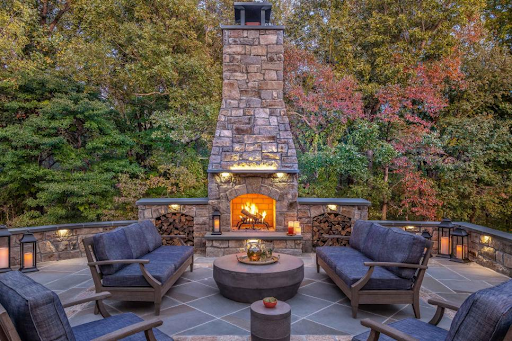
A good outdoor space should feel connected to the interior. Large sliding or folding doors, comfortable seating areas, and proper lighting can make the backyard feel like a true part of the home.
Outdoor living features worth considering include:
Covered patios
Outdoor kitchens
Fireplaces or fire pits
Ceiling fans
Weather-resistant flooring
Screened-in areas
Landscape lighting
These features work best when they match how you actually entertain or relax. A simple covered porch may be more useful than an oversized outdoor kitchen if you do not cook outside often.
Energy-Efficient Systems
Energy-efficient features may not be the most exciting upgrades, but they are often among the smartest. They can lower operating costs and make the home more comfortable year-round.
Useful energy-efficient upgrades include better insulation, efficient HVAC systems, high-performance windows, smart thermostats, and quality ventilation. These features can also help reduce drafts, humidity problems, and uneven temperatures.
When working with an Atlanta luxury home builder, it is worth discussing energy performance early in the design process. Many efficiency upgrades are easier and more cost-effective to include during construction than after the home is finished.
Spa-Like Primary Bathrooms
A well-designed primary bathroom can add daily comfort and strong appeal. The key is to focus on features that feel relaxing and easy to use.
Popular upgrades that are often worth it include:
Large walk-in showers
Freestanding tubs
Heated floors
Double vanities
Quality tile
Built-in storage
Private water closets
However, bigger is not always better. A bathroom should feel calm, not empty. Good lighting, smart storage, and durable materials often matter more than excessive square footage.
A spa-like bathroom is worth the investment if it enhances your morning and evening routines. It should feel peaceful, functional, and easy to maintain.
Custom Storage And Built-Ins
Storage is one of the most underrated luxury home features. Custom closets, mudrooms, pantry systems, laundry storage, and built-ins can make a home feel more organized and easier to live in.
Built-ins are especially useful because they can be designed around your lifestyle. A family with children may need a mudroom with lockers and shoe storage. A homeowner who works from home may need a built-in office wall with shelving and file storage.
Good storage does not always stand out in listing photos, but it matters every day. It also helps keep the home looking clean and uncluttered.
Flexible Home Office Space
A dedicated home office is still a valuable feature. Many homeowners now want a quiet, comfortable place to work, take calls, manage household tasks, or study.
A good home office should have natural light, enough outlets, sound control, and a layout that supports focus. It does not need to be oversized, but it should feel separate from high-traffic areas.
Flexible office spaces are especially smart because they can change over time. A room may serve as an office now, a library later, or a guest room in the future.
Smart Home Technology That Solves Real Problems
Smart home technology can be worth it when it makes daily life easier. The best systems are simple to use and support security, lighting, temperature control, and entertainment.
Useful smart home upgrades may include:
Smart lighting
Security cameras
Smart locks
Automated shades
Whole-home audio
Climate control systems
Leak detection sensors
The key is to avoid overcomplication. A luxury home should not require a manual to operate. Choose technology that is reliable, easy to update, and practical for everyday use.
Features That May Not Be Worth The Investment
Overly Trendy Finishes
Trendy finishes can make a home feel current, but they may age quickly. Bold tile patterns, unusual cabinet colors, and highly specific design details can become dated within a few years.
That does not mean your home should be plain. Personal style matters. The better approach is to use timeless materials for major surfaces and add personality through easier-to-change elements like lighting, paint, furniture, and decor.
Permanent design choices should have staying power. This is especially important if resale value matters to you.
Oversized Specialty Rooms
Specialty rooms can be fun, but they are not always practical. Wine rooms, golf simulator rooms, theater rooms, and game rooms can be great if you will use them often. If not, they may become expensive unused space.
Before adding a specialty room, ask a simple question: “Will this be used every week?” If the answer is no, it may not be the best investment.
Flexible rooms are usually safer. A media room that can also work as a lounge or guest space may offer more long-term value than a single-purpose room.
Extremely Expensive Fixtures
Luxury fixtures can elevate a home, but there is a point where cost does not equal value. Designer faucets, imported hardware, and rare stone finishes can be beautiful, but they may not always improve the home enough to justify the price.
Spend more on items you touch and use every day. Cabinet hardware, plumbing fixtures, and lighting should feel solid and look refined. But the most expensive option is not always the smartest one.
Quality matters. A brand name alone does not guarantee better performance or value.
Indoor Features That Are Hard To Maintain
Some luxury features require more care than homeowners expect. Indoor fountains, delicate flooring, high-maintenance stone, and complex lighting systems can lead to additional work and repair costs.
A feature may look impressive at first, but maintenance should be part of the decision. If a material stains easily, scratches quickly, or needs special cleaning, it may become frustrating over time.
True luxury should make life feel easier, not more demanding.
Too Much Square Footage
A larger home is not always a better home. Extra square footage increases construction and furnishing costs, energy use, and cleaning and maintenance.
A well-designed 5,000-square-foot home can feel more luxurious than a poorly planned 7,000-square-foot home. Layout, ceiling height, natural light, storage, and flow often matter more than size alone.
Build for how you live, not just for bigger numbers on paper.
How To Choose The Right Luxury Features
The best way to choose luxury home features is to start with your lifestyle. Think about how you cook, host, relax, work, exercise, and spend time with family.
Ask yourself:
Will I use this feature often?
Does it solve a real problem?
Will it still feel useful in five years?
Does it fit the style of the home?
Will future buyers understand its value?
Is it easy to maintain?
A luxury home should feel custom without becoming impractical. The right features should support your daily life and make the home feel better every time you use it.
FAQ
What Luxury Home Features Add The Most Value?
Kitchens, primary bathrooms, outdoor living spaces, energy-efficient systems, and custom storage often add the most value. These features enhance daily comfort and appeal to future buyers.
Are Smart Home Features Worth It In A Luxury Home?
Smart home features are worth it when they are easy to use and solve real problems. Security, lighting, climate control, and leak detection are usually more valuable than overly complex systems.
Is An Outdoor Kitchen A Good Investment?
An outdoor kitchen can be a good investment if you entertain often and enjoy cooking outside. If you rarely use outdoor cooking space, a covered patio or fireplace may offer better everyday value.
Should I Spend More On Finishes Or Layout?
Layout should come first. A great floor plan improves how the home functions every day, while finishes can often be updated later. The best luxury homes combine smart layout with durable, high-quality materials.
What Luxury Features Should I Avoid?
Avoid features that are too trendy, too personal, hard to maintain, or unlikely to be used often. Specialty rooms, oversized spaces, and extremely expensive fixtures may not always deliver strong long-term value.